
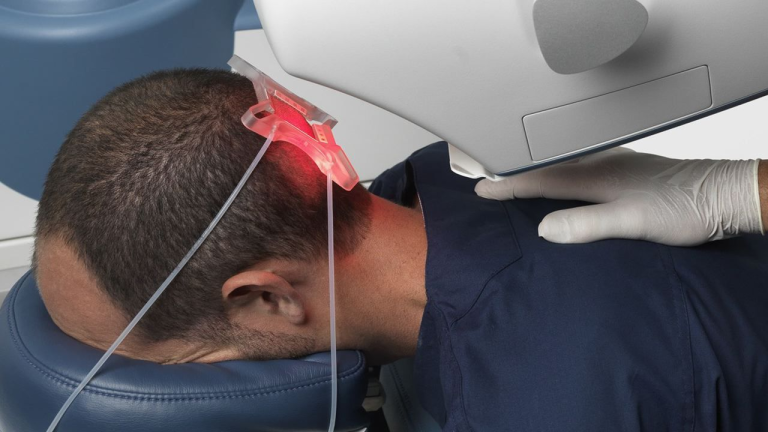
Robotic hair transplant: useful, but not universal
Robotic systems can support graft selection and digital planning in selected cases. They may improve consistency for certain donor areas, but they do not replace clinical judgement, hairline design or careful aftercare.
The right method should be chosen after evaluating hair type, donor density, hair loss pattern, budget and aesthetic goals.
Benefits and limitations
| Potential benefit | Important limitation |
|---|---|
| Digital mapping can support donor area analysis. | Not every hair type or donor pattern is ideal for robotic extraction. |
| Consistent movement may help selected graft harvesting. | Hairline design and implantation still require experienced clinical planning. |
| Technology can make planning easier to explain. | Cost, device availability and technician experience affect practicality. |
When manual FUE or DHI may be preferred
- Complex hairline work requiring fine artistic control.
- Curly, very fine or challenging hair characteristics.
- Cases where donor preservation and flexible extraction strategy are more important than device-assisted speed.
Robotic technology is a tool, not a guarantee. Suitability, expected density, risks and alternatives should be reviewed before choosing the method.